
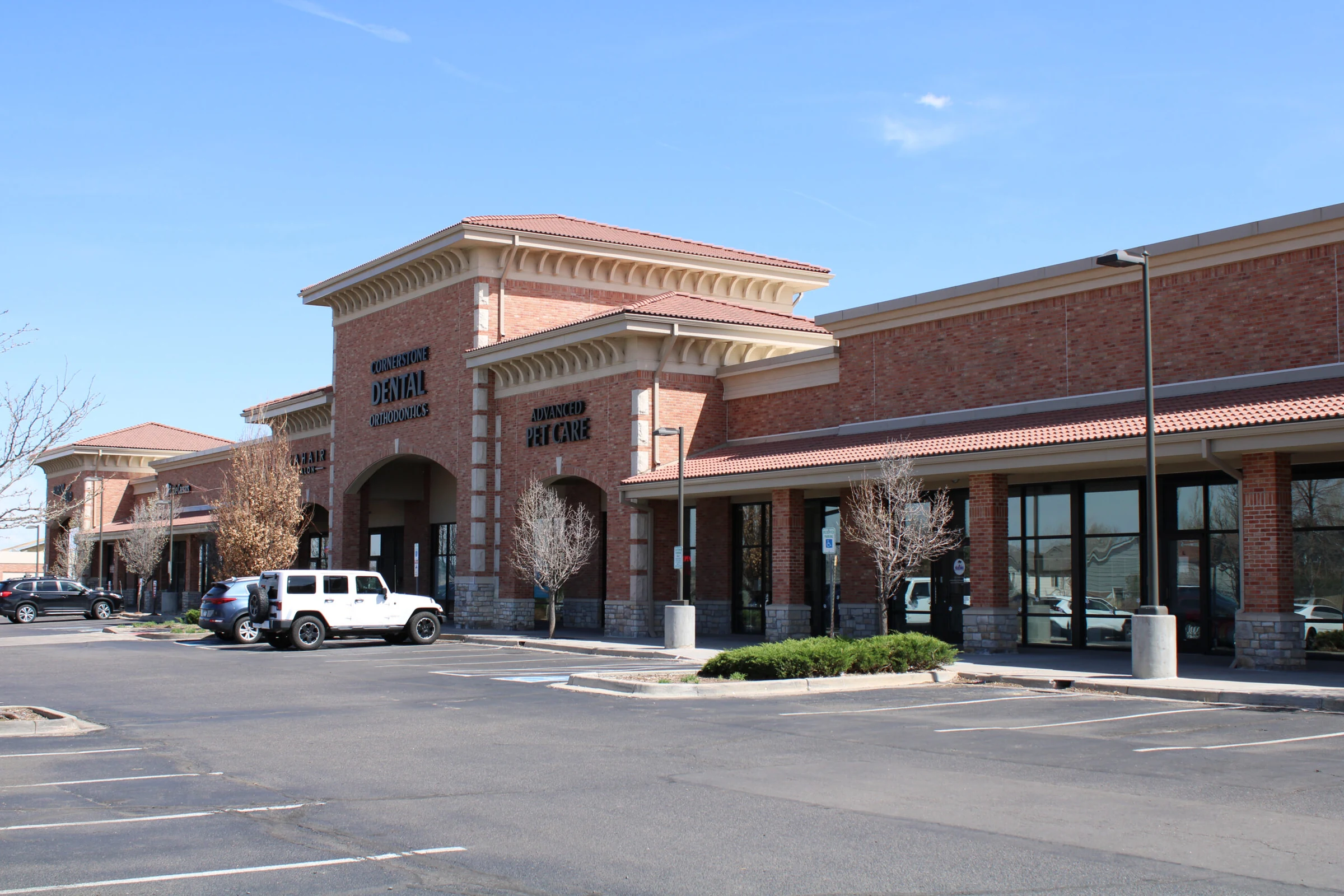
Retail Chain Roofing in Fayetteville, NC
Multi-location roof programs for retail chains along Skibo Road, Ramsey Street, and the Cross Creek corridor, standardized across every store.
Retail Chain Roofing in Fayetteville, NC
Multi-location roof programs for retail chains along Skibo Road, Ramsey Street, and the Cross Creek corridor, standardized across every store.
Roof Programs Across a Multi-Location Retail Footprint
A retail chain with locations along Skibo Road, Ramsey Street, the Cross Creek corridor, and the base-gate strip in Spring Lake doesn't need a one-off roof quote. It needs a program that treats every store the same way and reports back the same way, no matter which location called. We run that program on the chain's own operating hours and store-opening obligations.
Store Hours Don't Move for Roof Work
A retail location's roof project has to work around business hours the store isn't willing to give up, whether that's a big-box format with predictable hours or a QSR location with a drive-through that can't lose access at lunch. We schedule the loudest and most disruptive tasks, tear-off and deck work, for overnight or early-morning windows and finish flashing and detail work during operating hours without shutting the store down.
Base-gate retail near Spring Lake sees traffic patterns tied to shift changes at Fort Liberty as much as to normal retail hours, so we plan delivery and staging timing around that traffic instead of assuming a standard nine-to-five pattern applies.
For a strip center location, we also coordinate with neighboring tenants the chain doesn't control, since parking lot staging for one store's roof can affect access to the storefronts next door.
Grocery and pharmacy-anchored locations along Ramsey Street and Owen Drive add a refrigeration and cold-storage wrinkle most other retail formats don't carry, since a roof leak anywhere near a walk-in cooler or freezer unit raises both a structural question and a food-safety question at the same time, and we treat that combination as a faster-response category than a leak over dry retail floor space.
One Roof Standard Across Every Location
Chains operating multiple formats, big-box, strip-mall inline, freestanding QSR, often end up with three different roof systems across their portfolio simply because each location got built or reroofed by a different contractor at a different time. We work from whatever standard the chain's own facilities team sets, and where there isn't one yet, we help establish consistent membrane and warranty terms across locations.
Consistent documentation matters more to a chain than to a single-building owner: the same inspection report format, the same photo documentation, and the same warranty tracking across every store, so a regional facilities manager can compare locations directly instead of translating between different contractors' paperwork.
A chain expanding into this market for the first time sometimes inherits a location's existing roof along with the lease, and we do a baseline inspection on any newly leased location so the chain's facilities team knows what they actually took on before a landlord dispute over responsibility comes up later.
Prioritizing Which Store Gets Worked on First
With multiple locations needing attention, we rank by risk, not by which store manager called loudest: active leaks over sales floor or stockroom inventory first, roofs nearing the end of service life next, cosmetic issues last. That ranking gets shared with the chain's facilities team as a working document, not a black box.
Seasonal surges matter here too. A chain doesn't want scaffolding or a material lift blocking a primary entrance during the weeks around a big retail push, and we plan larger projects around a location's own slow season wherever the facilities team can share that calendar with us in advance.
Big-box and grocery-format locations along Skibo Road and Ramsey Street tend to carry large membrane roofs with rooftop HVAC units that need coordinated access, while QSR locations have smaller roofs but tighter drive-through and parking constraints that change how we stage the work. Retail near the Cross Creek corridor adds mall-adjacent traffic patterns to that same staging problem.
- Big-box and grocery-format store roofs
- Inline strip-mall storefront roofs
- Freestanding QSR roofs with drive-through access constraints
- Base-gate retail strip locations near Fort Liberty
- Mall-corridor retail near Cross Creek
- Vacant or between-tenant retail space roof maintenance
Emergency Response That Doesn't Wait for a Regional Callback
When a leak hits during business hours, we prioritize stopping product and inventory damage first, coordinating directly with the store manager on site while keeping the chain's regional facilities contact informed, rather than requiring the store to route every decision through a corporate call center before we can act.
After the emergency response, documentation follows the same standard every time: photos, cause, repair scope, filed the same way regardless of which of the chain's locations it came from.
We also keep a running list of which of a chain's locations have had repeat leak calls, since a store that keeps needing patches is usually telling us it's due for a bigger scope than another round of spot repair, and we say so directly instead of billing for the same patch a third time.
Questions From Retail Chain Facilities Managers
Can you standardize roof documentation across all our locations in this market?
Yes. We use the same inspection and reporting format for every store so a regional facilities manager can compare locations directly instead of reconciling different formats.
How do you prioritize which store gets roof work first when several need it?
By risk: active leaks over sales floor or inventory first, roofs nearing the end of service life next, cosmetic repairs last, and we share that ranking with your team rather than deciding it internally.
Can work happen without closing the store during business hours?
In most cases, yes. We schedule disruptive work overnight or early morning and finish detail work during hours without shutting down operations.
Do you coordinate directly with store managers during an emergency, or does everything route through corporate?
We coordinate directly with on-site store managers for emergency response and keep your regional facilities contact informed, so a leak doesn't sit waiting on a call center authorization.
What if our locations currently have different roof systems from different past contractors?
We document what's on each roof now and work from whatever standard your facilities team wants going forward, helping bring locations onto a consistent system and warranty term as they come up for replacement.