
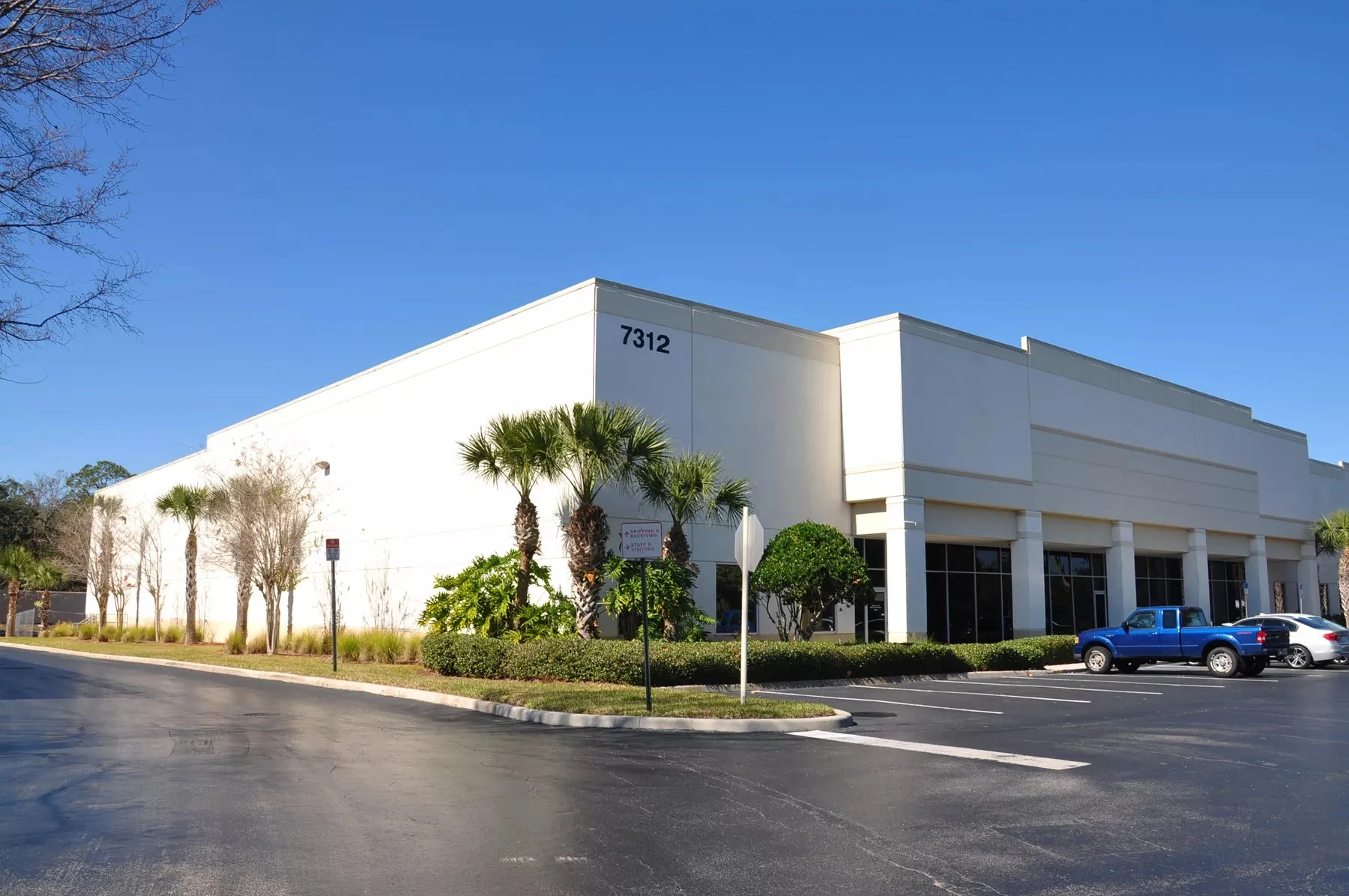
Property Management Roofing in Fayetteville, NC
Portfolio roof inspection, repair, and replacement for Fayetteville property managers, from Skibo Road retail strips to Hope Mills apartment communities.
Property Management Roofing in Fayetteville, NC
Portfolio roof inspection, repair, and replacement for Fayetteville property managers, from Skibo Road retail strips to Hope Mills apartment communities.
Roof Management Across a Multi-Building Portfolio
Property managers here are usually responsible for roofs on more than one building at once, a strip center on Skibo Road, an office park off Owen Drive, a garden apartment complex near Hope Mills, and every one of those roofs sits at a different point in its life. We work from a portfolio view, not a one-building-at-a-time view.
What a Portfolio Roof Program Actually Looks Like
Instead of reacting to whichever roof leaks first, we start with a walk of every property in the portfolio and rank them by remaining service life and risk, not by which owner called last. That ranking becomes the basis for a multi-year budget instead of a surprise capital request every time weather turns.
Retail strips along Skibo Road, Raeford Road, and Ramsey Street tend to carry older built-up or modified bitumen roofs that are cheap to patch and expensive to keep patching. Office parks near Owen Drive skew toward single-ply systems in better condition but still need a documented maintenance record. Multifamily properties near Hope Mills and Spring Lake often mix pitched shingle roofs on some buildings with flat roofs over clubhouses and leasing offices, two different maintenance tracks under one management contract.
We keep that record centralized: inspection dates, repair history, warranty terms, by property, so a portfolio manager can answer an ownership group's question about any building without digging through a file cabinet.
A lot of the multifamily stock near Spring Lake and Hope Mills turns over tenants on a faster cycle than a typical market because of Fort Liberty's own posting and deployment schedule, and a property manager juggling that turnover doesn't have the bandwidth to also chase down roof leaks unit by unit. We give portfolio managers a standing point of contact instead of a new call every time.
Tenant Disruption Is the Real Cost, Not Only the Roof
A leak in a leased retail space or apartment unit costs a property manager more in tenant relations and potential rent abatement than the roof repair itself usually costs. We prioritize stopping active leaks over scheduling convenience, and we coordinate access with tenants directly when a manager doesn't have staff to handle every notification.
A grocery-anchored strip center loses more than one tenant's goodwill when a leak reaches a stockroom near refrigeration equipment, since a spoiled product claim from a grocery tenant is a bigger dollar number than a spoiled product claim from a smaller specialty shop. We flag which tenants in a center carry that kind of exposure so a leak call involving them gets bumped up the priority list automatically.
For occupied retail centers, we sequence work bay by bay so a shopping center doesn't lose parking or storefront access across the whole property at once. One section closes for staging while the rest keeps operating normally.
Budgeting Roof Work the Way Ownership Groups Actually Approve It
Most ownership groups want options, not a single number: patch and monitor, recover, or full replacement, each with a cost and an expected lifespan attached. We provide all three where it's a legitimate choice, so a property manager isn't the one guessing at the tradeoff in front of an owner. Our recover and overlay option is often the middle path a portfolio budget can absorb without a full capital request.
We also flag which roofs are approaching the point where patch-and-monitor stops being the cheaper option, so a capital request goes in before an emergency does.
We also track which properties in a portfolio are coming up on a lender-required capital reserve study or refinance inspection, since a roof condition report tied to that kind of financial event needs to land on a specific date, not whenever it's convenient for us to get to it.
- Retail strip centers along Skibo, Raeford, and Ramsey corridors
- Office parks and business park buildings
- Garden apartment and multifamily flat-roof clubhouses and leasing offices
- Mixed pitched-and-flat roof multifamily properties
- Self-storage facility roofs
- Vacant or between-tenant space roof maintenance
Emergency Response Across Multiple Properties
When a storm hits, property managers are fielding calls from tenants across every building in the portfolio at once. We triage by severity, active water intrusion first, cosmetic damage later, and communicate directly with tenants when authorized, so the property manager isn't the single point of contact for every unit.
We keep the same documentation standard through an emergency response as we do for routine work: photos, dates, and a written scope for every property touched, so a portfolio-wide storm event doesn't turn into a set of undocumented verbal repairs nobody can reconstruct later.
Questions From Property and Portfolio Managers
Can you manage roof inspections across all our properties on one schedule?
Yes. We set up a recurring inspection cycle across the whole portfolio and report findings property by property, so timing and budgeting stay coordinated instead of scattered.
How do you handle a leak in an occupied retail unit without shutting down the whole center?
We section off the affected bay for staging and access, and the rest of the center continues operating with normal parking and storefront access.
Do you provide cost comparisons between patching, recovering, and replacing a roof?
Yes, wherever more than one option is realistic. We lay out the cost and expected service life of each so the decision is an informed one, not a guess.
Can you coordinate directly with tenants during repairs?
Yes, when authorized by the property manager. We handle scheduling and access notifications directly with tenants to reduce the coordination load on management staff.
What records do you keep for insurance and ownership reporting?
Dated inspection reports, repair history, and warranty documentation for every property, organized so a manager can pull a single building's file or the whole portfolio's status on request.