
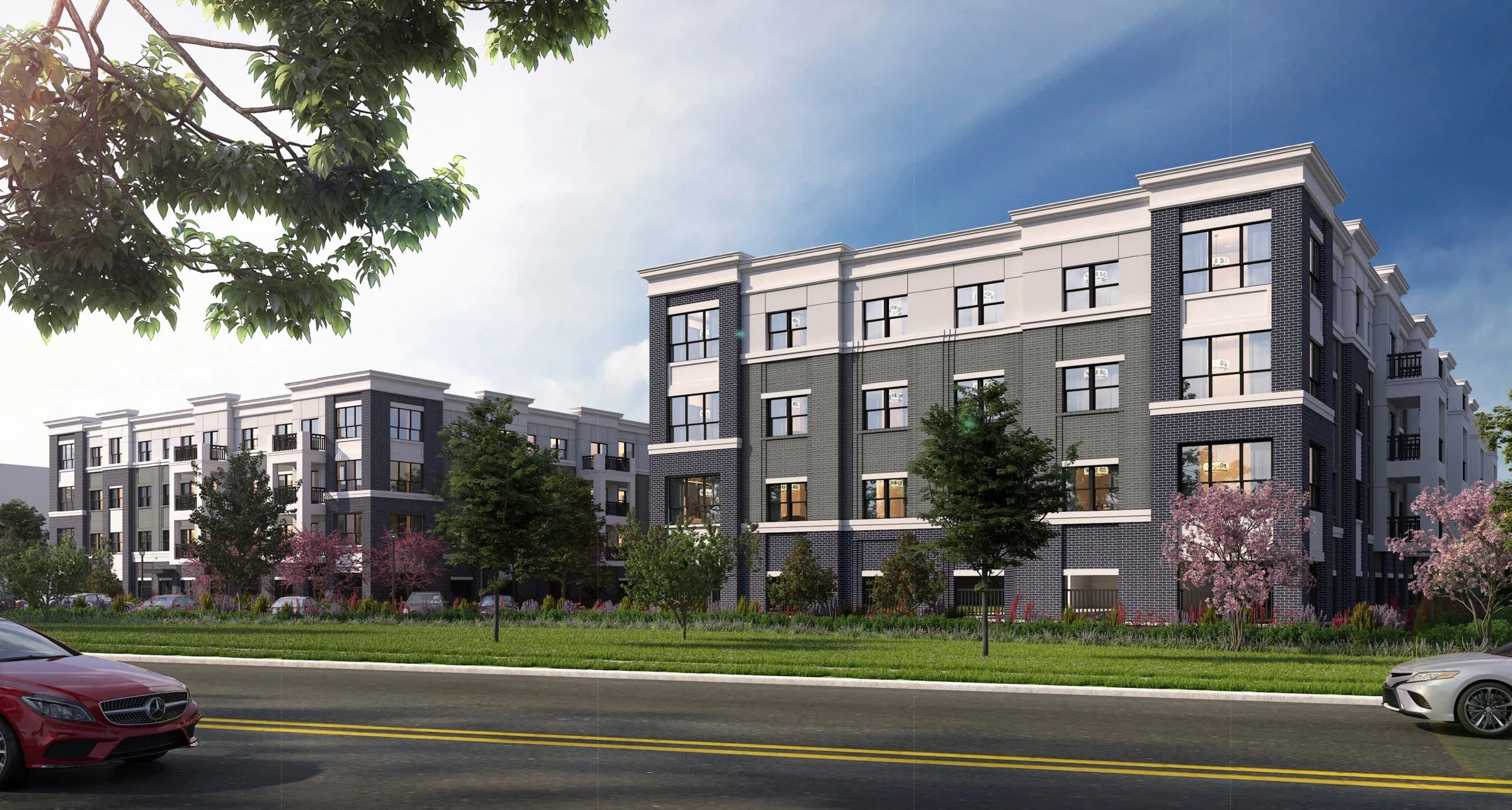
Multifamily Apartment Roofing in Fayetteville, NC
Multifamily apartment roofing in Fayetteville, NC: coordinating around military move schedules, occupied-unit protection, and portfolio-wide reporting.
Multifamily Apartment Roofing in Fayetteville, NC
Multifamily apartment roofing in Fayetteville, NC: coordinating around military move schedules, occupied-unit protection, and portfolio-wide reporting.
Apartment Roofs Built for Constant Move-In and Move-Out
Apartment communities in this market, whether privatized military housing or off-post complexes near Fort Liberty, deal with a turnover rate most property types never see. Military move orders shift families in and out on the government's timeline, not the property's, and a roof project here has to work around residents who are already dealing with a move.
Coordinating Around Move Schedules
Permanent change of station orders mean a steady stream of move-in and move-out dates across a complex, often clustered around the summer move season. We work with property management to identify which buildings have the least move activity scheduled during our project window, sequencing tear-off away from units where a family is actively packing a moving truck or unloading one.
Move-out inspections and turnover cleaning crews also need access to units on their own timeline, so we coordinate our roof work schedule with the leasing office's turnover calendar rather than assuming our project has the only schedule that matters that week.
Occupied-Unit Protection During Tear-Off
Unlike a commercial building where everyone leaves at the end of the day, apartment units stay occupied around the clock, with residents home during the day, working night shifts, or on leave from deployment. We treat interior protection as part of the roofing scope on every occupied building, tarping attic access points and coordinating with residents directly on any noise or access needed above their specific unit.
We also keep dry-in complete at the end of every work day rather than leaving any section open overnight, since a surprise storm over an occupied roof is a resident's problem by morning, not simply ours.
Balancing Deployment-Affected Households
A meaningful share of residents in this market have a spouse deployed or on temporary duty, which means the person home managing the household during roof work is sometimes handling it alone. We keep communication about scheduling and access straightforward and give as much advance notice as property management can pass along, since a single-parent household mid-deployment doesn't need a surprise crew outside their window.
We ask property management to include a simple written notice with our schedule whenever possible, since a flyer on a door explaining what to expect goes a long way toward reducing the number of questions a crew fields directly from residents mid-project.
- Privatized on-post family housing communities
- Off-post apartment complexes near base gates
- Garden-style multifamily communities
- Student and workforce housing complexes
- Senior and independent-living apartment buildings
- Townhome and condominium association roofs
Wind and Rain Exposure Across Many Separate Roof Sections
Apartment communities often spread roof area across a dozen or more separate buildings rather than one continuous roof, and that means wind and rain damage from a tropical system can hit some buildings harder than others depending on orientation and tree cover. We inspect building by building after any significant weather event rather than assuming damage patterns are uniform across the whole property.
Tree canopy in older, established neighborhoods around this market adds another variable, since mature trees near a building can shed limbs during high wind that damage a roof in ways storm patterns alone wouldn't predict.
Working With Property Management Companies at Scale
Many complexes in this market are managed by companies overseeing multiple properties at once, sometimes including both on-post and off-post housing. We build reporting that lets a regional property manager track roof condition and repair history across several communities at a time, not only the one building we're currently working on.
That consolidated view also helps when a management company is evaluating whether to renew a maintenance contract with an existing vendor, since side-by-side condition data across a portfolio tells a clearer story than any single property's file on its own.
Breezeways, Carports, and Covered Walkway Roofs
Apartment communities in this market often include covered breezeways, carports, and walkway roofs that sit separate from the main building roofs, and those sections take a different kind of wear from constant foot traffic below and exposed edges that catch wind differently than a building's main roof plane. We inspect those secondary structures on their own terms during a property-wide assessment rather than folding them into the main building count, since they tend to show damage on a different timeline than the residential roofs above the units themselves.
Carport roofs in particular take direct wind exposure on all sides with no adjoining structure to break the load, and after any tropical system moves through we recommend checking those open structures first, since a lifted panel there is often the first visible sign of wind damage across an otherwise intact property.
Apartment communities usually have a clubhouse or leasing office building with a roof that gets far less attention than the residential buildings, even though it's often the first thing a prospective resident sees when they tour the property. We include amenity buildings in every full property assessment, since a leak in the leasing office or fitness center reflects on the whole community's upkeep in a way that's disproportionate to the building's actual size.
These buildings also frequently carry different rooftop equipment, like pool pump housing or fitness center HVAC, that needs the same careful flashing attention as any other rooftop mechanical on the property.
Questions Apartment Property Managers Ask Us
How do you avoid disrupting families during a military move?
We ask property management which buildings have the least move activity scheduled and sequence work away from active move-in or move-out dates.
What happens with residents home during the day while you work?
We coordinate access and noise directly with occupants above the specific unit being worked on and keep the schedule as predictable as possible.
Do you ever leave a roof section open overnight?
No, we complete dry-in before the end of every work day on occupied buildings, regardless of what tomorrow's forecast looks like.
Can you inspect multiple buildings across a large community efficiently?
Yes, we assess damage building by building after a storm rather than assuming every roof on the property took the same hit.
Do you report roof condition across a whole portfolio rather than one property at a time?
We can format documentation so a regional manager can track condition and history across multiple communities at once.