
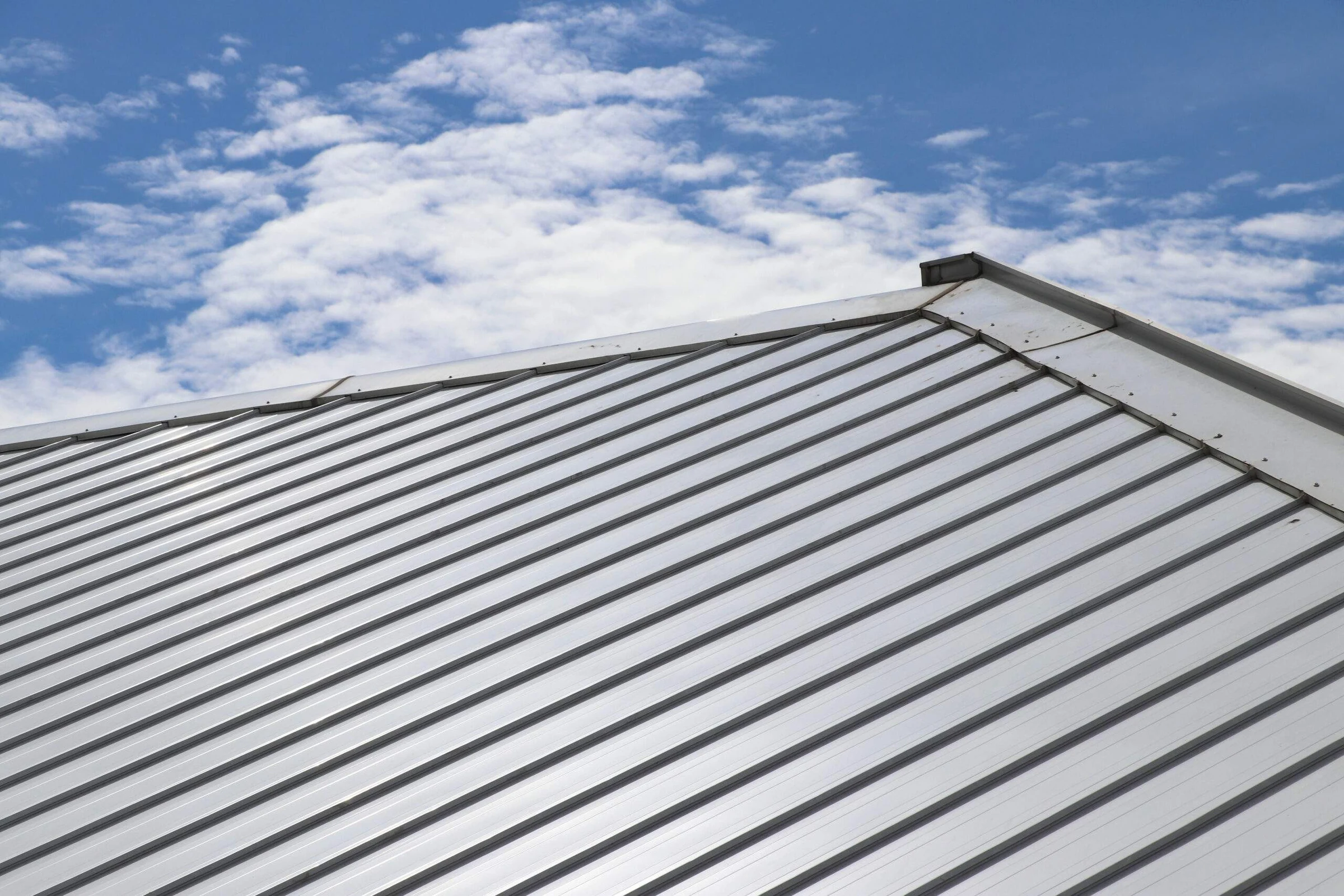
Standing Seam Metal Roofing in Fayetteville, NC
Standing seam metal roofing for Fayetteville-area schools and government buildings, wind-rated clip spacing and installs scheduled around the academic calendar.
Standing Seam Metal Roofing in Fayetteville, NC
Standing seam metal roofing for Fayetteville-area schools and government buildings, wind-rated clip spacing and installs scheduled around the academic calendar.
Standing Seam Metal on the Schools and Government Buildings That Can't Improvise a Schedule
Standing seam metal roofing covers a growing share of the schools, municipal buildings, and government facilities across the Fayetteville area, and those buildings run on academic calendars and public meeting schedules that don't bend for a roofing crew. We plan every standing seam project around that reality first.
Why Standing Seam Fits Institutional Buildings Here
Concealed fastener standing seam systems give schools and government buildings a long-service-life roof with clean sightlines that suit the architecture these facilities usually want, and the panel system sheds Sandhills rainfall fast enough to matter during the heavy, sustained rain that comes with hurricane remnants. K-12 buildings across Cumberland, Harnett, and Sampson counties, along with municipal buildings near downtown Fayetteville, increasingly specify standing seam over built-up or single-ply for exactly that combination of appearance and drainage performance.
Concealed fasteners also mean fewer penetration points for water to find over the roof's service life compared to exposed-fastener panel systems, which matters on a public building that isn't getting inspected as often as a private commercial property might be.
Public buildings also tend to hold onto a roof system for decades once it's installed, since capital budgets for a second reroof don't come around often. That long expected service life is part of why standing seam's higher upfront cost keeps winning out over cheaper panel systems on schools and government facilities in this market.
Wind Uplift Clip Spacing for This Region's Storm Pattern
Standing seam performance under wind load comes down to clip spacing and panel attachment more than the panel profile itself. Remnant storm systems that reach the Sandhills after hurricanes make landfall further south or east bring sustained wind that tests clip spacing at eaves, ridges, and rakes before it tests the field of the roof. We spec clip spacing based on the building's height, exposure category, and roof geometry, tightening it at the perimeter and corners where uplift pressure is highest, rather than running one spacing across the whole roof.
Scheduling Around the School Calendar and Public Meetings
School roofing gets planned around the academic calendar first. We schedule the loudest phases, panel removal and structural work, for summer break or extended school holidays whenever the project timeline allows it, and we keep noise and staging away from active classroom wings during the school year for any work that can't wait for a break.
Government and municipal buildings have their own version of this problem: public meeting schedules, court dates, and permit office hours that can't be disrupted by roof noise or blocked entrances. We coordinate directly with facilities staff on which days and hours are off-limits before finalizing a project schedule.
What We Verify Before Speccing Standing Seam
- Building height and wind exposure category for clip spacing
- Existing structural deck condition if this is a recover over another system
- Roof geometry and how many hips, valleys, and penetrations the panel layout needs to work around
- Snow and rain load requirements given regional building code
- Panel gauge and finish appropriate for the building's expected service life
- Thermal movement allowance given this region's summer-to-winter temperature swing
Getting clip spacing and thermal movement allowance right up front avoids the panel oil-canning and loosening problems that show up on rushed standing seam installs elsewhere.
Working With Contractors on New Government and School Construction
A growing share of our standing seam work is new construction rather than a recover or reroof, tied to the pace of school and government building projects across Cumberland and the surrounding counties. On new builds, we coordinate directly with the general contractor's schedule rather than running our own separate timeline, since roof close-in often determines when interior trades can start work below.
That coordination matters most on public projects with fixed occupancy dates, like a school that needs to open by a set date on the academic calendar or a government building tied to a lease or funding deadline. We build panel delivery, crane windows, and crew sizing around the general contractor's critical path rather than treating the roof as an isolated scope.
Pine Debris on Metal Roofs Near Wooded Sites
Schools and government buildings in this region often sit on wooded lots, and pine needles and pollen accumulate in valleys and at roof-to-wall transitions on standing seam roofs just like they do on flat membranes. We check those transition points during maintenance visits specifically, since debris buildup there can drive water back under flashing over time.
Questions About Standing Seam Metal Roofing
Can standing seam handle our region's hurricane-remnant wind events?
Yes, when clip spacing and panel attachment are specified correctly for the building's height and exposure. That's the detail that matters more than the panel profile.
Can you schedule our school's roof project around the academic year?
Yes. We plan the loudest phases for summer break or extended holidays and keep disruptive work away from active classrooms during the school year.
Does standing seam cost more than single-ply for a school building?
Upfront cost is usually higher, but service life and lower long-term maintenance often make it competitive over the roof's full lifespan. We'll walk through both numbers.
How do you handle valleys and transitions where pine debris collects?
We inspect those points specifically during maintenance visits and clear debris before it can work its way under flashing.
Can standing seam go over our existing roof?
Sometimes, depending on deck condition and structural capacity. We check that before recommending a recover over tear-off.